All Categories
Featured

Professional Strategies for Hardwood Durability
Table of Contents
Vacuum or dust mop the full flooring frequently. Use a manufacturer-approved cleaner when the flooring needs a much deeper cleaning. Examine corners, carpet edges and areas below furniture for caught debris. Consistency matters more than aggressive scrubbing. Removing dirt before it grinds into the finish helps preserve the floor with less work.

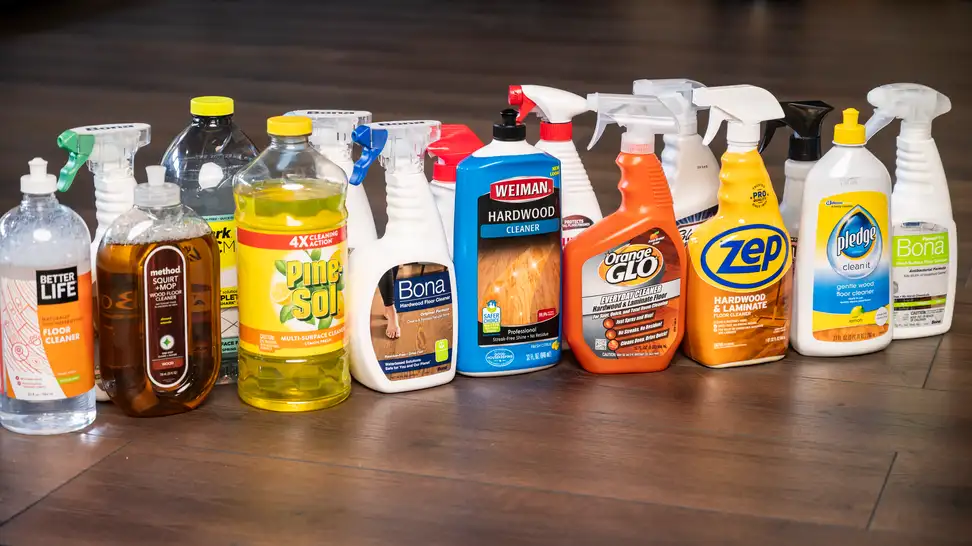
Solid wood, engineered hardwood and wood-look items have various care requirements. Even two wood floors can need different products because their surfaces aren't the exact same.
Use the product as directed rather than presuming a more powerful concentration will clean up much better. Ingredients that seem moderate can impact a surface over time.
Test any authorized cleaner in a small, unnoticeable location first if you doubt about how the surface will respond. Water and wood floor covering don't mix well when wetness is permitted to sit. Excess water can get in seams, impact the finish or add to swelling and discoloration. Use a gently dampened mop rather than a soaking-wet one.
Professional Area Rug Preservation Methods for Sellers
Operate in manageable areas and clean up leftover wetness immediately. Prevent utilizing bleach, ammonia, abrasive scrubbers or other extreme items unless the floor covering maker particularly approves them. These cleaners can damage or dull certain surfaces. Steam cleaning likewise needs care. Steam introduces heat and wetness into the floor, consisting of along joints and seams.
More water does not mean a deeper clean. The goal is to lift dirt without saturating the wood or finish. Preventive care minimizes the amount of cleaning and fix a wood flooring needs. Start at outside doors, where much of the dirt and moisture go into the home. Place mats at entryways to catch grit before it reaches the flooring.
Inspect the flooring producer's guidance before choosing a carpet pad. Utilize a nonstaining pad advised for the floor covering.
Proven West TN Move-Out Carpet Restoration
Pads can use down or collect grit that scratches the flooring when furnishings moves. Never drag heavy furnishings across wood.
Dry the location entirely when completed. Withstand the desire to scrape the flooring with a sharp tool or utilize a stronger chemical.
Surface area cleaning might not address moisture that has actually reached the wood or subfloor. Routine cleansing is also an opportunity to examine the floor.
Deep scratches that expose bare wood require more attention because the protective layer has actually been broken. Moving carpets and furniture occasionally can encourage more even color changes, but owners need to follow maker assistance before positioning or moving floor coverings.
Comparing the location in time makes it much easier to inform whether the issue is stable or getting even worse. Routine care can safeguard hardwood, however it can't remedy every issue. Refinishing or repair becomes proper when wear reaches beyond what regular cleaning can address. A flooring expert must evaluate widespread finish loss, deep scratches, water damage, loose boards or substantial staining.
Professional Tips for Floor Durability
Some floors can be screened and recoated to revitalize the protective finish. Engineered hardwood can have limitations on how much sanding it can tolerate, depending on the thickness of its real-wood wear layer.
Do not wait until exposed wood or wetness damage spreads. Earlier evaluation often offers the flooring professional more repair work alternatives. The most reliable hardwood floor care isn't complicated. Remove dirt before it scratches the surface, use approved cleaning items, limitation moisture and address spills or visible wear without delay. Constantly begin with the flooring manufacturer's particular care instructions.

Latest Posts
Professional Strategies for Hardwood Durability

Expert Methods for Increasing Surface Longevity
Effective Tennessee Move-Out Floor Care